

Preparing for the SAT has changed dramatically in the past few years. With the launch of the digital SAT, the exam now tests not only your academic knowledge but also how well you adapt to technology-driven formats. Students today are lucky to have something past generations never had, AI tools that make SAT prep smarter, faster, and more personal.
These tools can help you identify weak areas, track your progress, and even simulate reading and writing questions in the exact style used by the College Board. But here’s the catch: to get the most out of them, you need to know how to use them strategically.
Whether you are just starting your SAT journey or improving your test scores for the next test date, this guide will show you exactly how to make AI your prep partner.

The digital SAT brings a new adaptive design that tailors question difficulty to your performance. It’s divided into two modules:
This structure helps measure your reading comprehension and written expression more accurately. The challenge? You can’t predict what’s coming next which means you must master a range of standard English conventions and grammar rules.
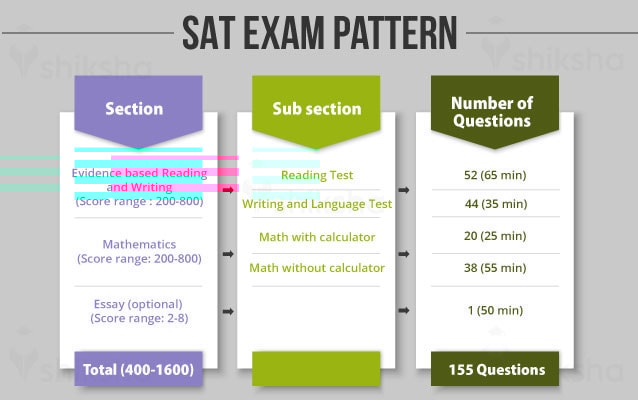
You’ll tackle 54 multiple-choice questions in 64 minutes, covering both reading and writing. Each question links to one short passage usually 100 to 150 words, instead of a few long passages.
This format rewards precision and focus. Since every question counts, practicing timing is crucial. Use practice tests that mimic the official College Board format to get used to pacing across both modules.
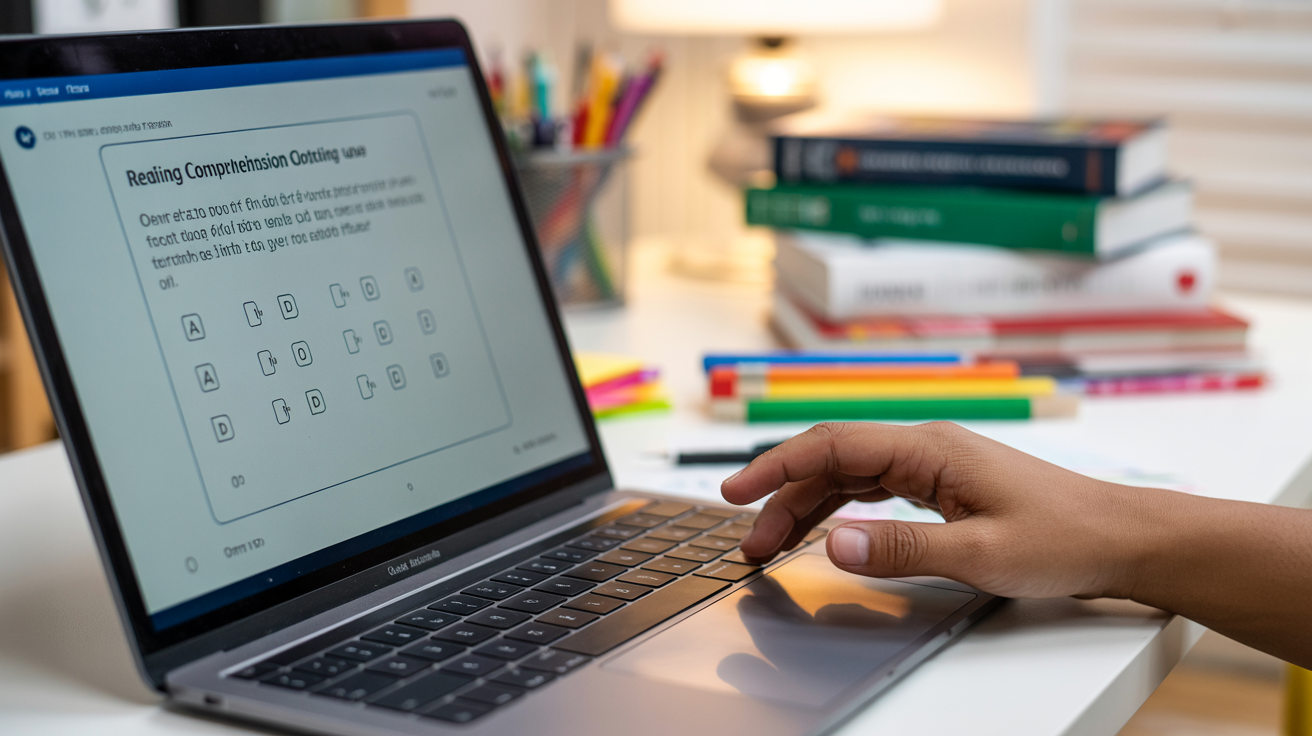
Each reading and writing section is scored between 200 and 800, contributing to your overall SAT score. Because of the adaptive model, doing well in the first module increases your chances of hitting top difficulty questions and higher-value points in the second module.
AI platforms like Khan Academy or Catalyst’s adaptive prep system can show how your accuracy changes between modules, helping you refine your study plan for better results.
Gone are the days of tackling five long passages per test. Now, each reading and writing question is tied to a short passage. This structure makes it easier to focus on the main idea, vocabulary, and tone without feeling overwhelmed.
To do well, practice identifying the author’s purpose in just a few sentences. AI-powered SAT prep tools can help highlight transition words, argument structures, and high-utility words that often appear in the digital SAT reading and writing section.
In the new digital format, expect to see questions testing similar skills across multiple passages:
AI study apps can group similar question types and help you recognize patterns, so you don’t get tricked by wrong answers that sound right.
You don’t need to read every word. Instead:
AI-based SAT reading tools can even highlight the sentences most likely to contain answers, helping you train your eye for what matters.
The writing section measures your ability to apply standard English sentence structure and core conventions accurately. You’ll see multiple-choice questions about:
AI grammar analyzers can instantly flag grammatical errors and show why a particular answer is correct or incorrect, helping you reinforce the standard English conventions domain.
Not all writing questions focus on grammar. Many test written expression, choosing the sentence that best conveys the author’s intent.
You’ll often decide which version sounds more natural or logical. These questions require a balance of clarity and tone, both part of the standard English conventions.
Sometimes, two sentences might both be grammatically correct but only one fits the passage’s meaning. AI writing assistants can explain how context changes the correct answer.
Example:
The scientist recorded results in her notebook. / The scientist were recording results in her notebook.
The second sentence breaks subject-verb agreement, which AI tools help spot quickly.
Don’t overanalyze how you did in the first module. Every reading and writing section starts fresh. Focus on accuracy, not perfection.
If you enter the second module and it feels harder, that’s a good sign. It means you are performing at a high level. Stay calm and use your test-taking skills to evaluate options methodically.
In the digital SAT, there’s no penalty for guessing. If you’re unsure, eliminate clearly wrong answers and make your best choice.
AI-powered practice apps can analyze your skipped questions and show whether you tend to miss vocabulary, grammar rules, or rhetorical reasoning. That insight helps you focus your next study sessions on weak areas.
After finishing your first module, you’ll have a short break before starting the next one. Use that time to reset. Take a deep breath, roll your shoulders, and remind yourself that your test performance is based on consistency, not panic.
The College Board’s Bluebook app is your official practice platform. It mimics the real testing environment: timing, informational graphics, and multiple choice questions.
Set aside time for a full-length practice test every few weeks. This builds endurance and helps you adapt to the digital format’s rhythm.
After each test, record:
You can use a spreadsheet or AI tracker to visualize your own progress. Seeing improvement over time boosts confidence and reinforces effective habits.
Instead of just checking answer choices, review why your first instinct was off. Did you misunderstand a main idea? Miss a punctuation rule? Misread a short passage?
AI feedback systems now provide explanations tailored to your mistakes, a big improvement over generic prep books.
Many students think reading every word shows focus. But in reality, you just need to grasp structure and intended meaning. Efficient reading saves time for trickier writing questions.
Even though the SAT is digital, grammar rules haven’t changed. Make sure you can apply standard English sentence structure correctly, one grammatical error can cost easy points in the writing section
Adaptive testing can make the second module harder, but don’t panic. Time management is crucial. Practicing under real conditions helps you stay composed when facing more complex reading and writing questions.
Start with official College Board materials. Their digital SAT reading and writing practice sets show the latest content domains and question styles.
The Bluebook app also includes informational graphics like bar graphs and line graphs, essential for interpreting data within reading passages.
Catalyst’s AI-driven digital SAT prep program tailors your learning to your performance. If you’re strong in reading comprehension but weaker in grammar rules, the system adjusts to emphasize your weak areas.
This kind of private tutoring powered by AI offers detailed feedback, realistic practice questions, and test-day simulations that help you perform your best.
Don’t overlook classics like Khan Academy or The Critical Reader. These resources are perfect for self-study, especially when combined with AI tools that track accuracy and timing.
Mixing human explanations with AI analysis helps build both knowledge and confidence.
AI tools don’t replace effort, they enhance it. With the digital SAT emphasizing adaptability and reasoning, using intelligent prep systems can help you work more efficiently and with greater purpose.
Whether you are analyzing bar graphs, evaluating tone in a short passage, or fine-tuning punctuation, AI can guide you toward the correct answer step by step.
The digital SAT reading and writing section rewards students who prepare with strategy, not just hard work. So stay curious, practice often, and let technology make your journey a little smoother.
Yes, many students find it easier because of short passages and clearer question structure. However, adaptive difficulty ensures high performers still face challenges. The key is mastering reading comprehension and staying calm when facing tougher questions.
The writing section now blends grammar rules and rhetorical reasoning. You’ll correct sentences for punctuation, structure, and flow, focusing on standard English conventions rather than memorization.
Start with the Bluebook app or AI-based prep programs like Catalyst. Take full-length practice tests regularly, analyze wrong answers, and track your own progress.


