

Preparing for the SAT has never been a simple task. Students balance schoolwork, athletics, clubs, and the pressure of college admissions, all while trying to squeeze in hours of sat prep. As the digital SAT becomes the standard format, a new kind of learning support has entered the picture: AI tutors for SAT.
These tools are reshaping how students learn, practice, and build confidence. What once required stacks of books, expensive tutors, and months of rigid schedules can now be done through adaptive technology that responds to a student’s strengths and weaknesses in real time. Rather than replacing teachers, AI serves as a personal assistant that makes studying more focused and efficient.
This guide breaks down how AI tutors for SAT work, what they do better than traditional methods, and why a blended model of human mentorship + AI support is becoming the most effective approach for today’s test-takers.
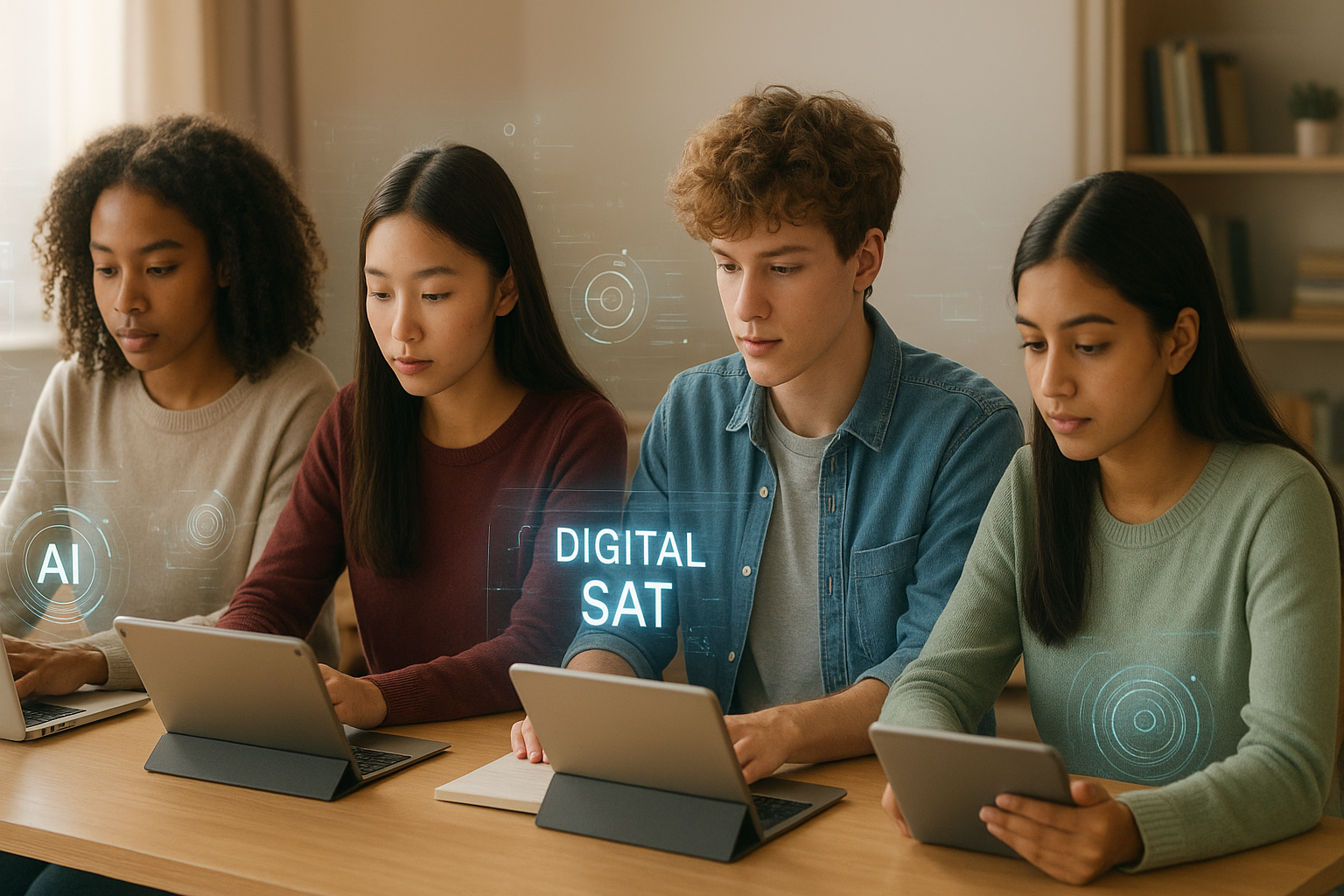
Most high schoolers today juggle assignments, projects, and extracurricular commitments that leave little room for extensive study hours. That’s where an AI tutor steps in. Having 24/7 access to explanations, step-by-step reasoning, and small practice sessions helps students keep learning even when they have just ten free minutes.
Because AI doesn’t get tired or overwhelmed, it can analyze performance patterns quickly and adjust the material based on real data. For busy learners especially international students preparing for the digital SAT test, the flexibility of AI brings immense relief.
AI tools can break apart performance in ways a human tutor cannot. They track the exact moment a student hesitates, which sat questions take the most time, and how accuracy shifts with different difficulty levels. This information helps form a smarter, more personalized approach to study. Instead of pushing through hundreds of generic drills, students receive targeted practice that focuses on skills they genuinely need.
AI also eliminates guesswork. When students review practice tests, they get clear and immediate reasoning behind mistakes. Instead of simply seeing a score, they gain real time insights that build understanding.
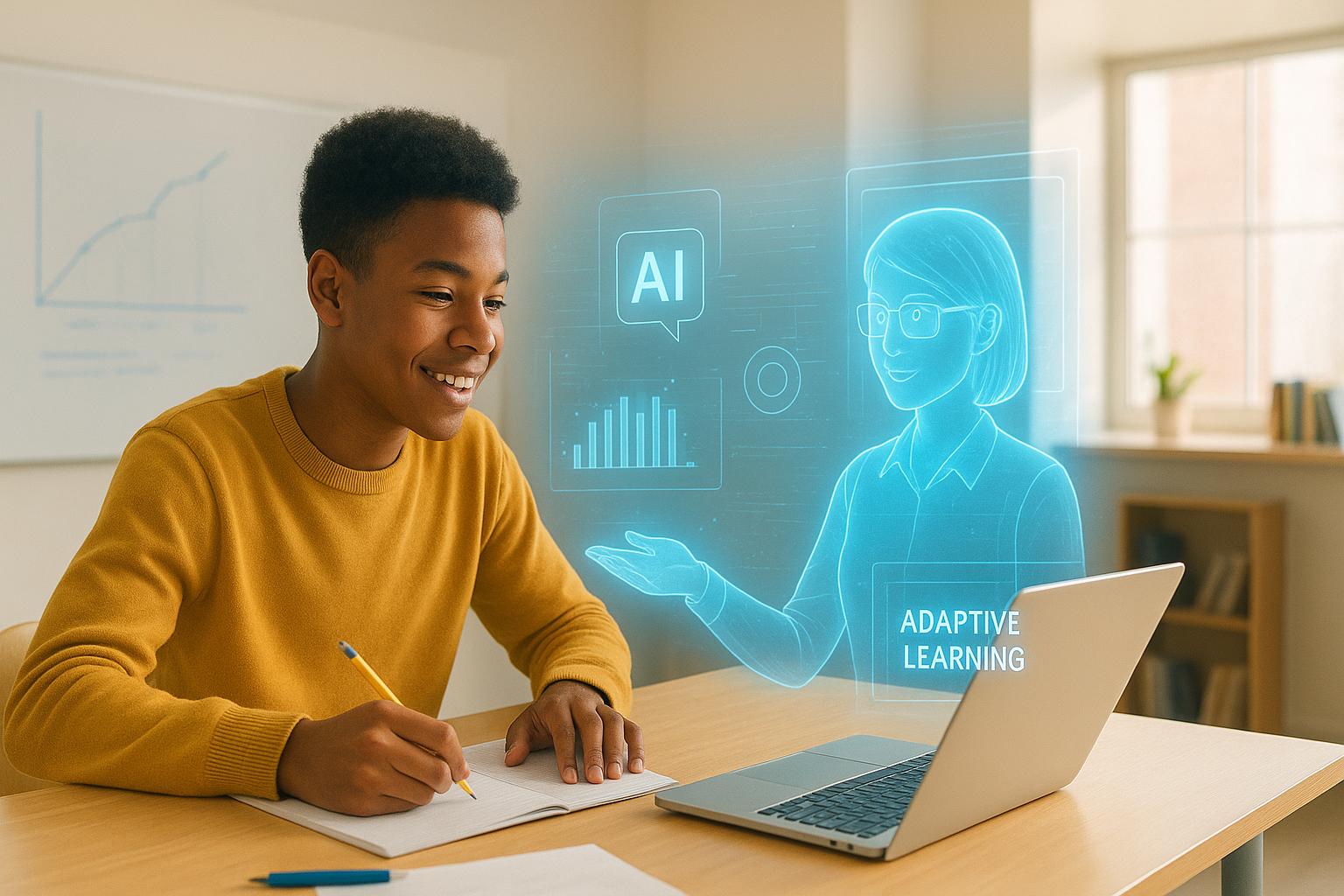
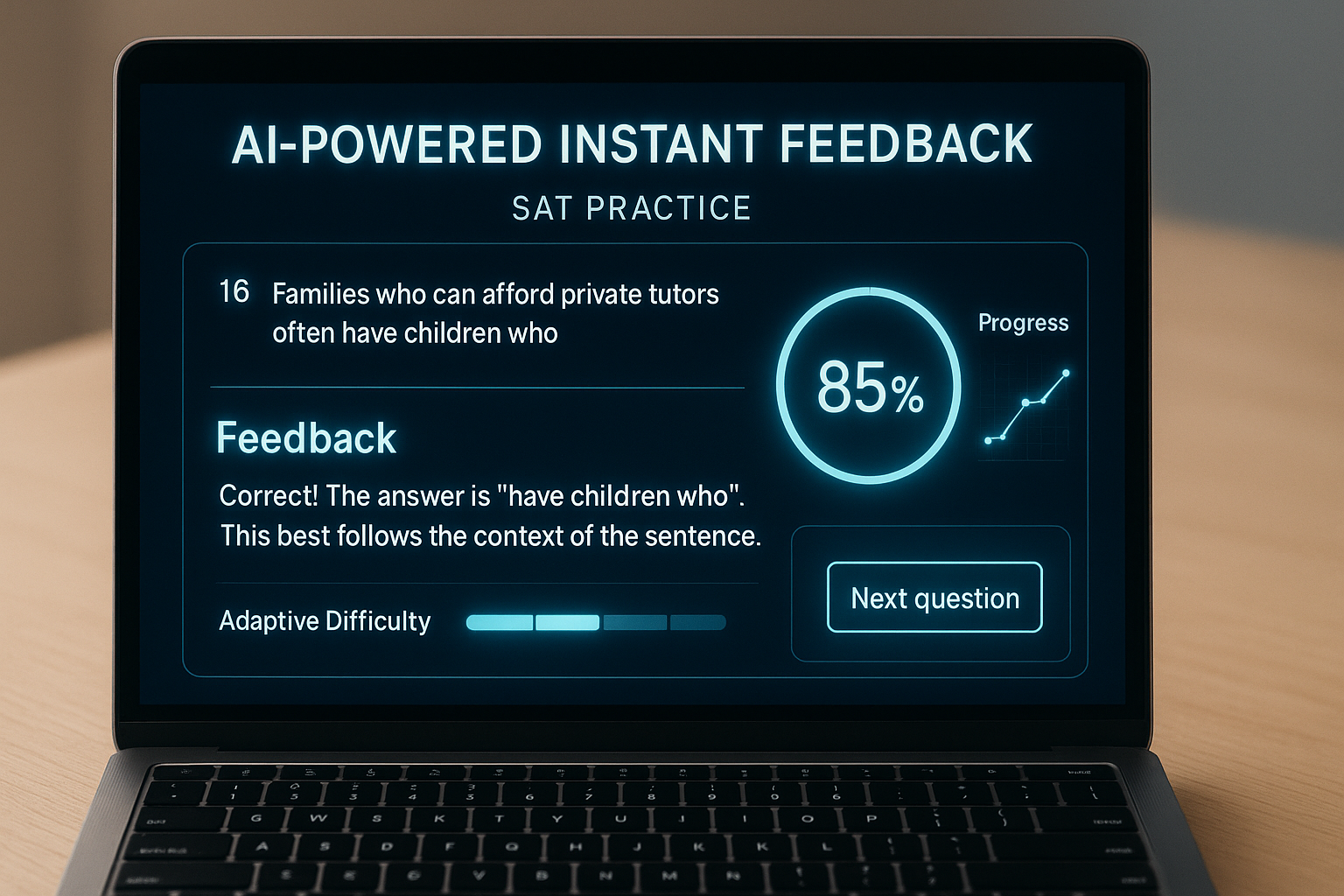
Waiting hours or days for corrections is now unnecessary. With an AI sat tutor, feedback appears instantly. Whether a student is working on algebra, grammar, or shorter reading passages, the system breaks down:
This “right-in-the-moment” learning prevents confusion from piling up and makes each practice session more productive.
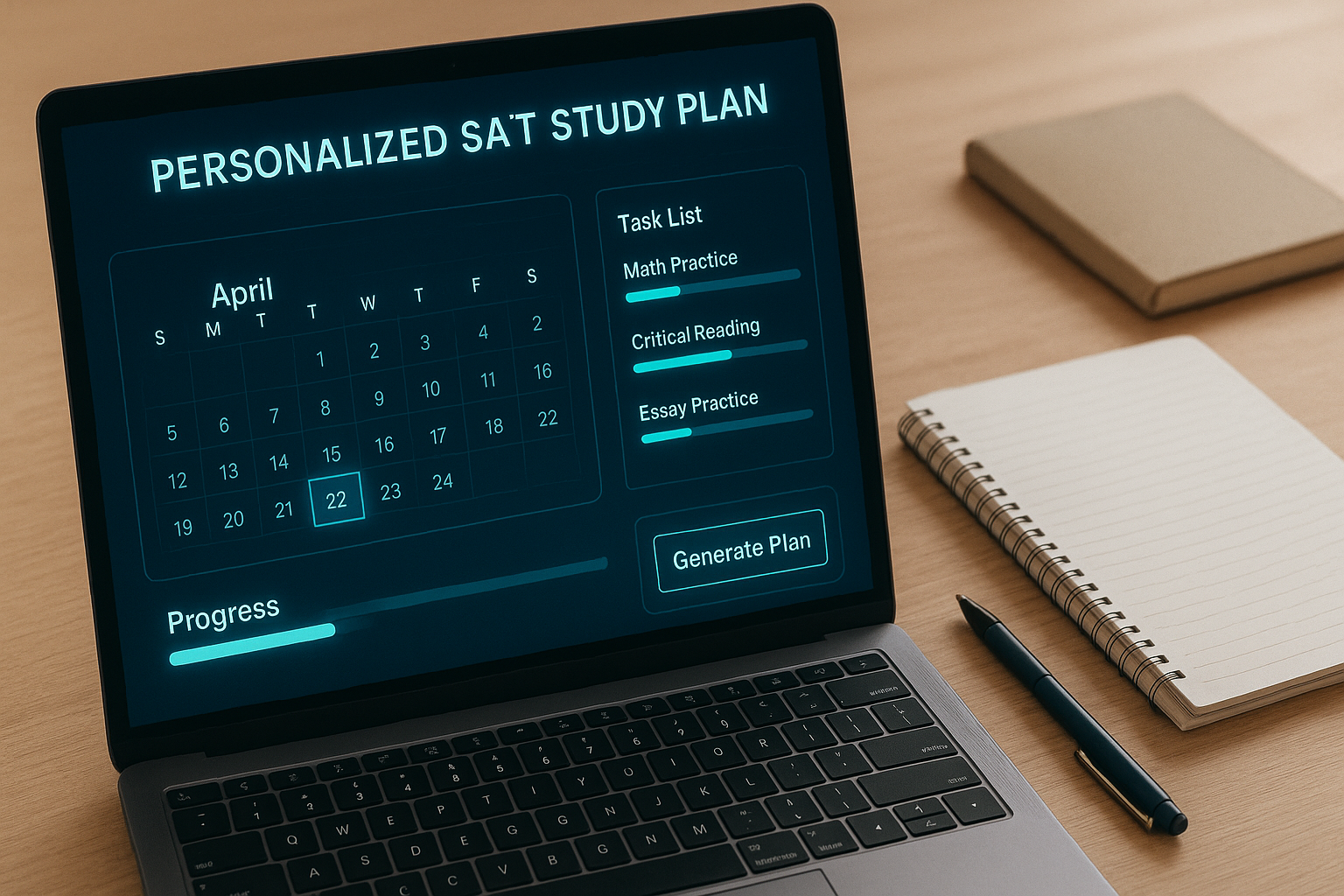
A major challenge in sat prep is knowing what to study and when. AI tools solve this by building a personalized study plan that changes based on how the student performs. After a few practice questions or a short diagnostic test, the system identifies patterns and adjusts the workload.
As students improve, the plan shifts toward areas that still need work. When they master a topic, it moves down the priority list. This ensures that time is used intelligently especially for those targeting specific sat score goals.
AI platforms use adaptive learning, which means that the level of difficulty rises or falls depending on how a student performs in the moment. If a student struggles with challenging algebra or data interpretation, the AI breaks the skill into smaller parts and increases difficulty slowly.
This avoids burnout while still creating steady real progress.
AI doesn’t just track correct answers, it looks at pacing, hesitation, and guess patterns. These details help identify hidden weaknesses, such as misreading questions or misunderstanding transitions in reading. Students learning through digital SAT prep often discover that their issues are less about knowledge and more about strategy or time management. AI reveals these insights clearly.
An AI tutor automatically sends students back to the topics where they lose the most points. Instead of repeating full units unnecessarily, they focus on what truly matters. This speeds up improvement and keeps the process motivating.
Whether a student studies late at night, during a commute, or after sports practice, an AI tool is always available. Short sessions help build consistency and consistency leads to confidence. Many students take a few mock tests each month while completing mini-sessions during the week.
A human expert still plays a crucial role. Students often need:
These are areas where people outperform machines.
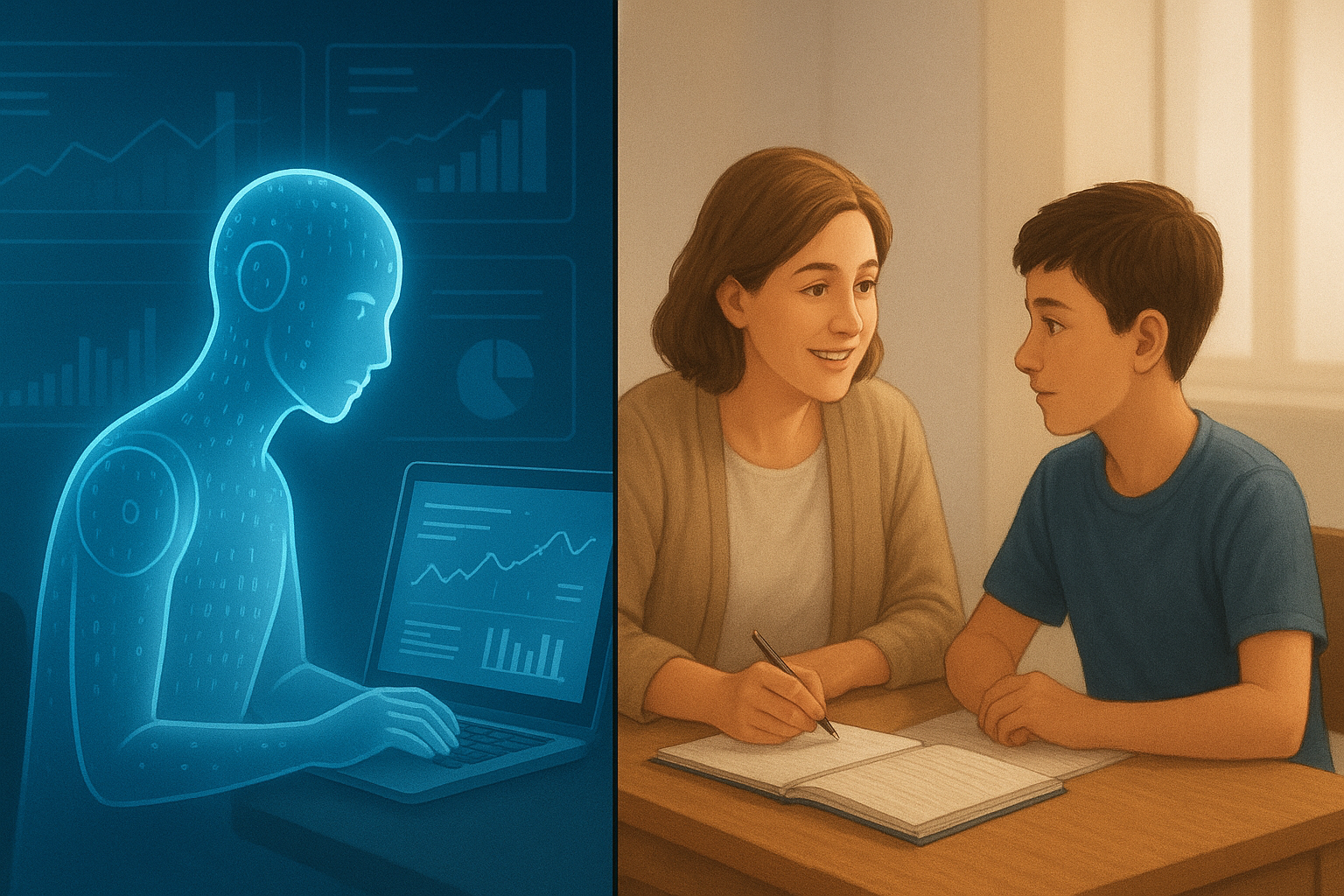
The strongest results usually come from blending both: AI handles targeted drills and analytics, while human tutors refine test-taking behavior, build confidence, and offer personal accountability.
These platforms offer realistic digital practice, including full length simulations of the new exam. Their AI powered features analyze mistakes, guide improvement, and make test preparation less overwhelming.
Tools like ChatGPT help students rethink tough questions, simplify reading passages, revise grammar concepts, and clear doubts quickly. They complement structured practice with flexible learning.
Catalyst blends a personal AI engine with human mentorship. It analyzes performance, designs a study plan, and connects students with tutors who help refine strategy. This hybrid model is becoming increasingly popular.
AI pinpoints exactly what slows a student down. Instead of generic drilling, practice becomes meaningful and aligned with score goals.
AI recognizes whether errors come from:
This clarity helps students practice more purposefully.
AI breaks studying into manageable pieces. Five minutes of daily practice adds up, often more than a single long weekly study block.
Future AI tools will be able to predict projected scores based on months of data. This helps students and families plan ahead more confidently.
As systems become more advanced, AI will adjust study plans at a micro-level, shifting tasks daily to reflect the student’s exact needs.
The future is hybrid: technology for precision, humans for emotional and strategic support.
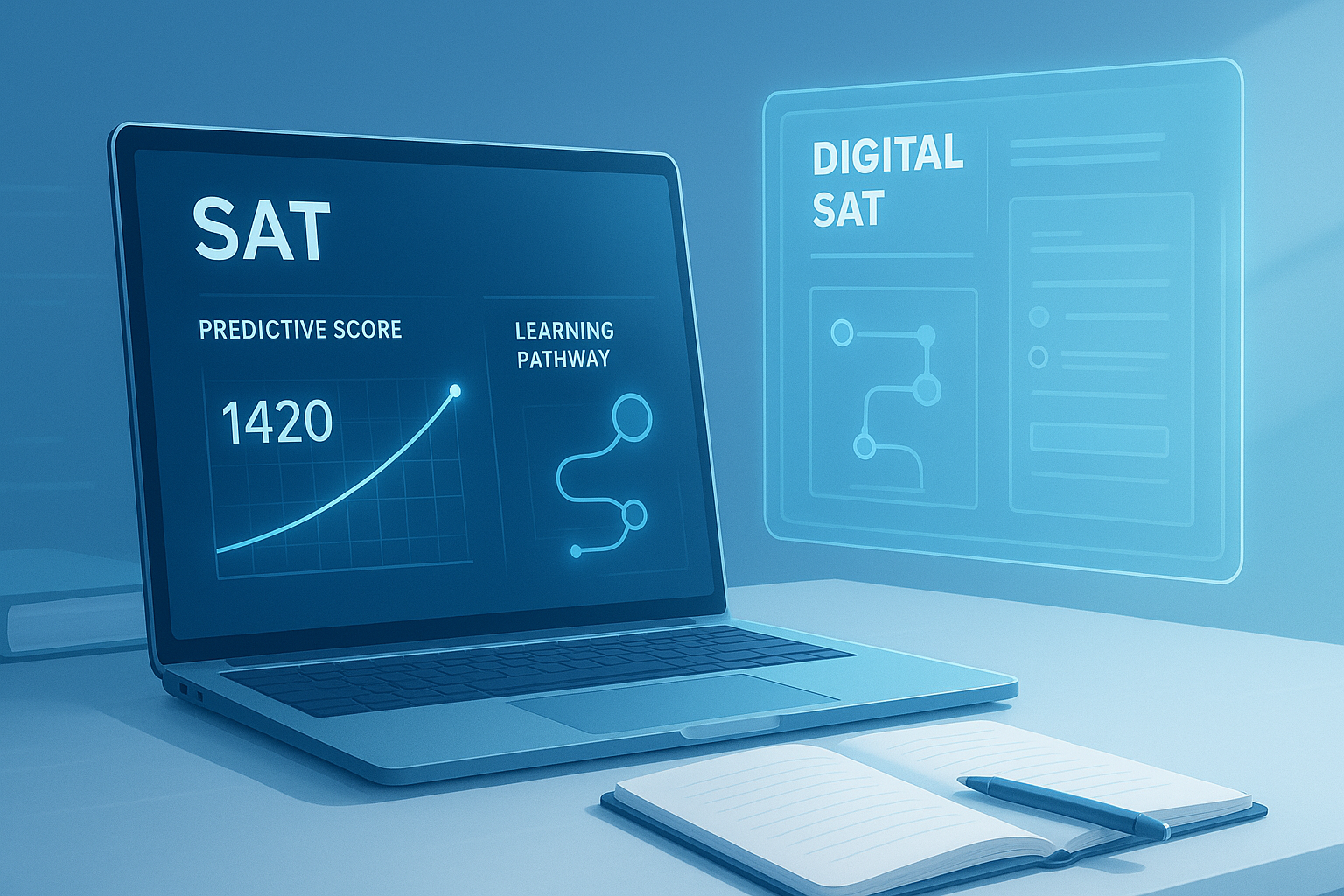
Yes, AI tutors are excellent for structured practice, analytics, and quick explanations. They help students prepare efficiently for the sat exam, but the best results still come when AI is combined with occasional human guidance for strategy and confidence-building.
No. AI can break down logic and track performance, but it cannot replace the encouragement and mentorship that human tutors provide. Both serve different purposes in the learning process.
Beginners often start with Khan Academy or Magoosh, and many use AI chatbots for explanations. Tools that offer full length practice tests and adaptive lessons work best. Students who need deeper guidance can choose hybrid platforms that combine AI diagnostics with human tutors.


