

Choosing an SAT prep partner is one of the most important academic decisions parents make during high school. The right support can significantly improve SAT scores, build confidence, and open doors in the college admissions process. The wrong choice, however, can lead to wasted time, unnecessary stress, and disappointing results.
With so many options in the test prep space, from online SAT prep courses to private tutoring, parents often feel overwhelmed. This guide breaks down how to evaluate programs step by step so you can confidently choose the best SAT prep company for your teen’s learning style, goals, and timeline.

Effective SAT prep goes far beyond memorizing formulas or answering a few practice questions. A strong prep partner helps students understand the test format, apply smart test taking strategies, and remain calm on test day. These skills directly influence standardized test scores and play a meaningful role in the college admissions journey.
More importantly, students who feel supported often develop better study habits and confidence that extend beyond the SAT into other academic areas.
Many parents choose a program based on brand recognition alone whether it’s Kaplan SAT Prep, Princeton Review, or another big name. Others focus only on price or assume one sat prep class works for every student.
The reality is that less than half of students benefit from generic prep plans. Personalization, tutor quality, and progress tracking matter far more than flashy marketing claims.

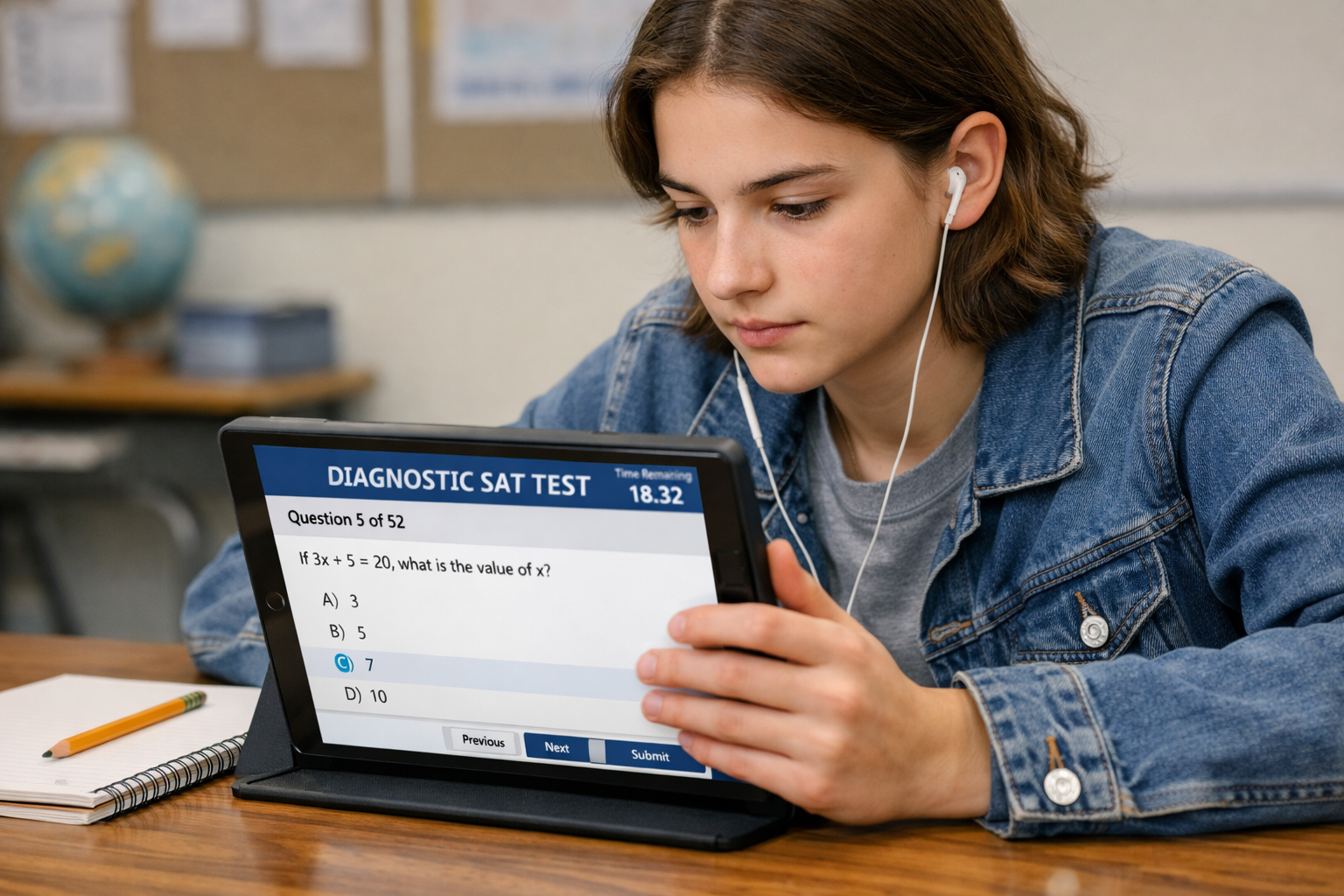
Before enrolling in any SAT prep courses, your teen should take a full diagnostic test. This establishes a baseline and reveals how familiar they are with the digital SAT and digital exam structure.
Without diagnostics, families risk choosing prep that doesn’t align with real needs leading to frustration instead of improvement.
A strong prep partner helps students identify gaps using adaptive testing and data. Understanding current performance makes it easier to set realistic goals whether that’s crossing SAT 1400 or building consistency across sections with full length practice tests.
Self-study options like Khan Academy or a self paced course work best for disciplined students who thrive independently. These often include video lessons, official practice tests, and basic analytics.
However, without accountability or expert guidance, many students struggle to stay consistent especially during busy academic months.
Group prep courses both live online classes and in person formats offer structure and peer motivation. They are usually more affordable than private tutoring, but pacing can be a challenge.
If a teen falls behind or already knows the material, group classes may not deliver maximum value.
SAT tutors provide the highest level of personalization. With focused tutoring sessions, students work directly on weaknesses using practice exams, targeted drills, and customized strategies.
For students aiming for large score jumps or struggling with confidence, rigorous tutoring consistently produces stronger outcomes.
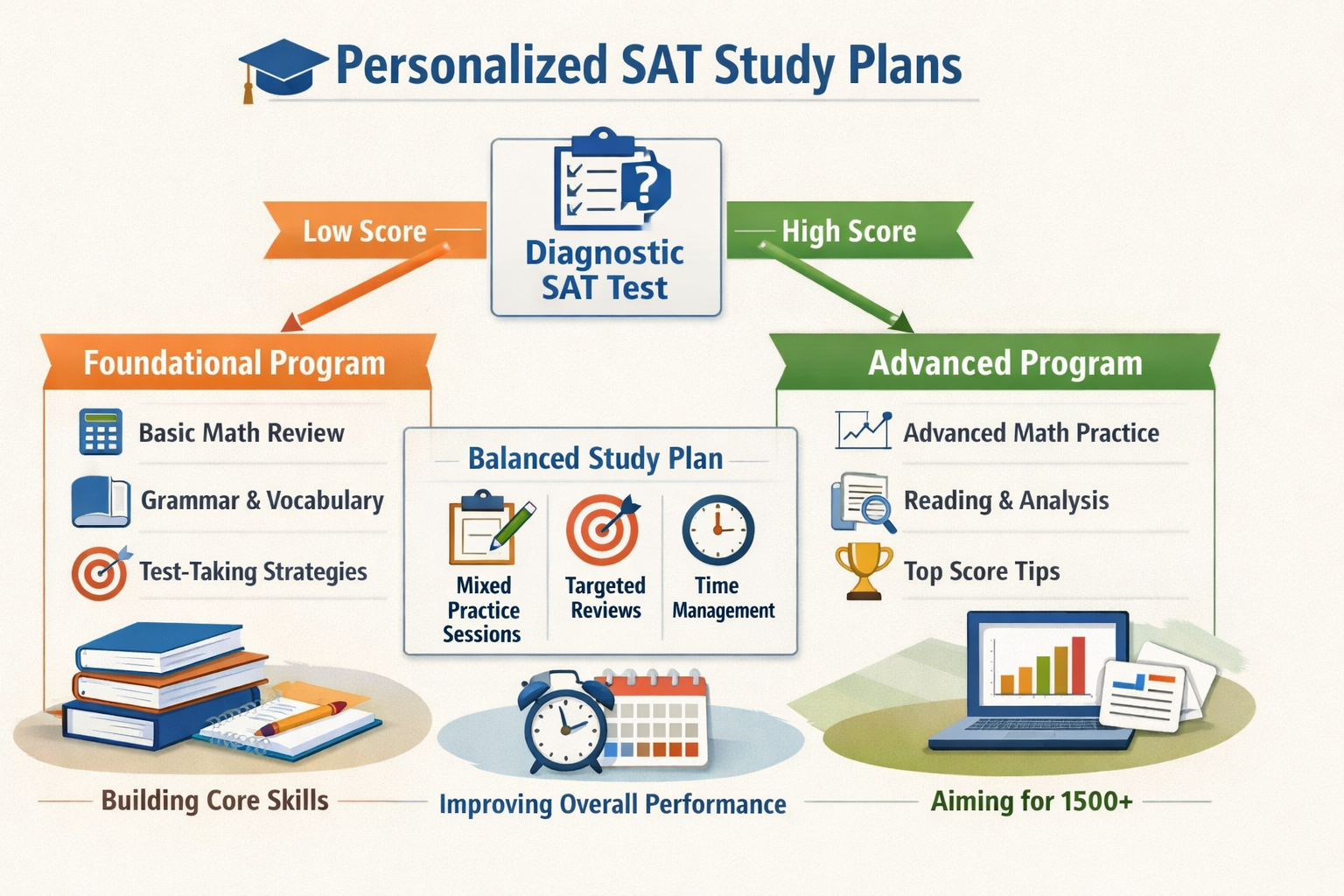
The best SAT prep course adapts to the student, not the other way around. Look for programs that use diagnostics to build a custom study plan, rather than offering a fixed syllabus.
Personalization is especially important for digital SAT prep, where question difficulty adjusts in real time.
Whether choosing live tutoring, live online, or hybrid models, instructor quality matters. Ask about training, experience with the digital SAT, and familiarity with current test dates and formats.
Programs with experienced instructors and professional tutors often outperform large, impersonal platforms.
Modern prep should leverage technology like dashboards, performance tracking, and adaptive testing to guide instruction. Many award winning tech platforms and ed tech awards winners excel here.
Data-driven prep helps students practice efficiently and monitor improvement over time.
Parents should have access to reports that show progress across practice materials, full length practice tests, and section performance. Transparency builds trust and ensures alignment throughout the prep journey.

A quality prep expert can explain exactly how diagnostics shape instruction. Avoid vague answers like “we personalize everything” without details.
Strong programs measure improvement through practice exams, section scores, and skill benchmarks, not just hours logged.
Ask about access to help between sessions. Do students get additional tutoring sessions, extra practice questions, or feedback outside scheduled live class hours?

Some providers offer hourly tutoring, while others sell bundled packages or an unlimited prep course. Compare what’s included such as course materials, diagnostics, reports, and additional tutoring hours, before deciding anything.
Even modest score improvements can influence scholarship eligibility and admissions outcomes. When viewed through the lens of SAT success, prep often delivers strong long-term ROI.

Programs that rely on a fixed syllabus ignore individual test takers’ strengths and weaknesses. Effective online SAT prep should adapt through diagnostics, flexible study materials, and personalized pacing aligned with the digital exam format.
Be wary of prep providers offering guaranteed score jumps without reviewing prior test scores or conducting a diagnostic test. Genuine improvement depends on effort, timeline, and instruction quality, not blanket promises in the test prep space.
If a provider cannot clearly show progress through analytics, reports, or practice exams, it’s difficult to assess real growth. Transparent tracking helps parents and students understand performance trends and adjust test taking strategies effectively.
Catalyst starts with deep diagnostics that inform every decision, aligning prep with each student’s needs.
Through focused live tutoring and consistent feedback, students develop accuracy, confidence, and strong test taking strategies.
Regular updates keep parents informed without micromanagement, ensuring clarity and trust throughout prep.

The best SAT prep company is one that matches your teen’s learning style, schedule, and goals, not just brand popularity. Look for programs that offer practice exams, clear study materials, experienced prep experts, and measurable progress tracking. Strong options combine online SAT, live instruction, and adaptive tools aligned with the digital exam, helping students build confidence, master the test format, and perform consistently on test day.
Most students benefit from starting SAT prep in junior year, when school coursework supports key skills tested on the exam. Beginning earlier allows time for diagnostics, gradual improvement, and flexible scheduling around school year demands. Early prep also reduces pressure close to test dates and allows students to take advantage of official practice tests, structured study plans, and targeted support well before the senior year rush.
Yes, when designed well, online SAT prep courses can be just as effective as in person options. Programs that include live online, adaptive testing, detailed analytics, and access to professional tutors often outperform traditional classrooms. Online formats offer flexibility, consistent access to practice materials, and the ability to revisit lessons. Success depends less on location and more on personalization, accountability, and quality of instruction.


