
The way students prepare for the SAT has changed dramatically in recent years. With the introduction of the digital SAT, traditional books and rigid schedules are no longer the only path to success. Today, AI SAT prep tools are reshaping how students study, practice, and improve. From adaptive practice to real-time insights, AI promises efficiency and personalization. But does AI truly lead to higher scores, or is it just another trend? This blog explores how AI-based learning fits into modern SAT preparation and where it delivers real results.

Not all students learn at the same pace or struggle with the same concepts. Traditional SAT prep methods often follow a fixed structure, which can leave gaps in understanding. AI changes this by adjusting content based on performance. Through a personalized approach, students focus more on weak areas and less on what they already know, making preparation more efficient and less frustrating.
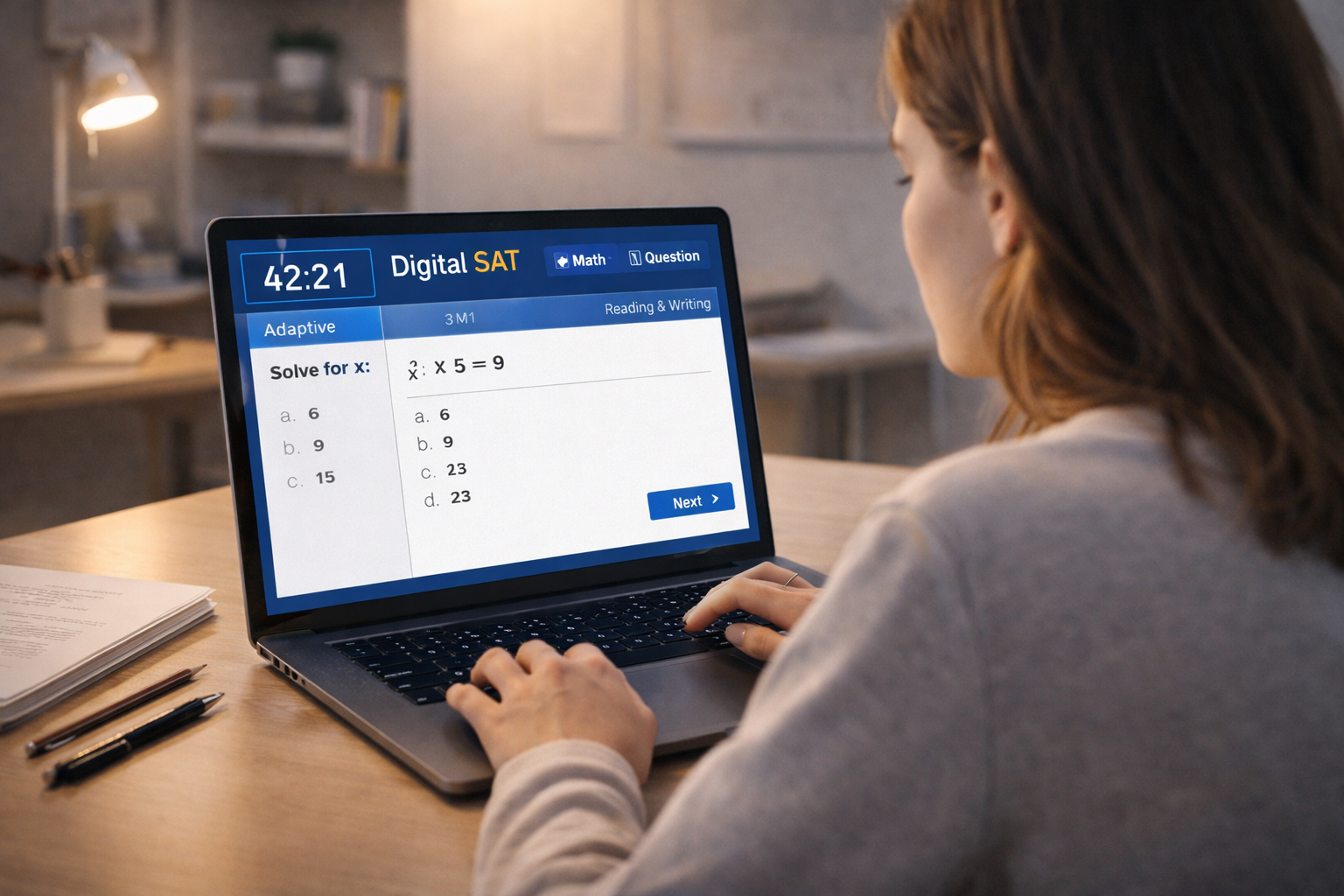
The digital SAT test uses adaptive difficulty, adjusting question levels as students progress. AI-powered platforms mirror this structure by adjusting difficulty levels in practice sessions. This alignment helps students experience conditions similar to the actual test, improving familiarity, confidence, and readiness for test day.
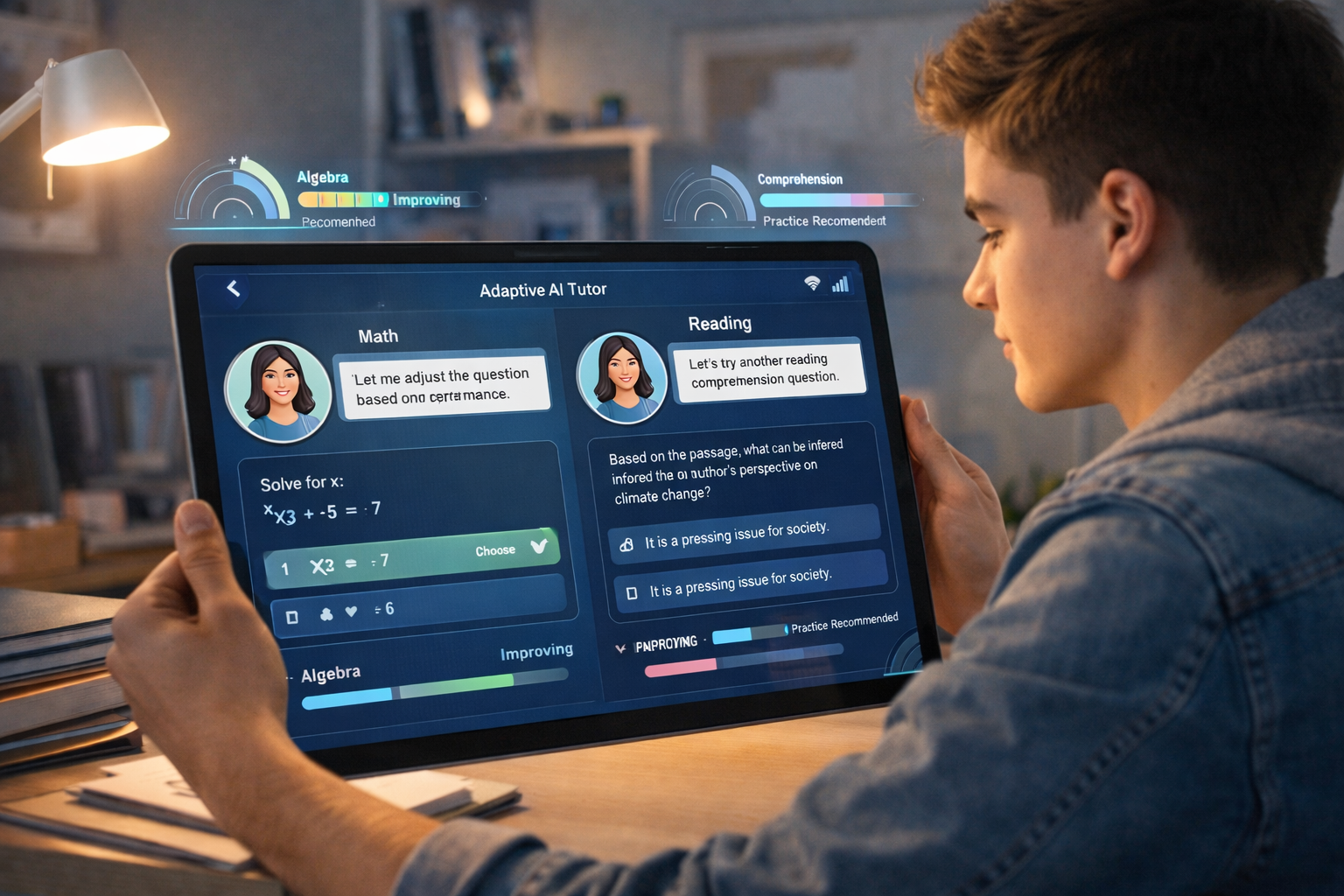
AI systems analyze data from a diagnostic test, tracking accuracy, pace, and skill gaps. Based on this, they generate a personalized study plan that evolves over time. Instead of following a static schedule, students move through concepts dynamically, ensuring continuous progress and smarter use of study hours.
Waiting for answers can slow down learning. AI provides instant feedback, offering clear explanations the moment a student answers incorrectly. This immediate response strengthens understanding and prevents repeated mistakes, especially in challenging math and writing concepts.
Rather than random drills, AI recommends practice questions that match a student’s current ability. These high quality questions are selected to reinforce weak concepts, helping students learn faster and retain knowledge more effectively.
AI reviews patterns across attempts, revealing gaps students often miss on their own. Whether it’s misreading reading passages or errors in algebra, AI pinpoints issues with accuracy, improving long-term performance.
Busy schedules make long study hours unrealistic. AI creates focused sessions using targeted drills and full length practice tests, allowing students to prepare efficiently without burnout.
Interactive dashboards, progress reports, and adaptive quizzes make test prep more engaging. Students stay motivated when they can see real-time improvement, measurable score growth, and clear next steps.
AI identifies whether mistakes come from conceptual misunderstanding, pacing issues, or careless errors. This insight allows students to adjust strategies and improve accuracy across sections.
By monitoring speed and correctness, AI helps students manage pace more effectively. This is crucial during the SAT exam, where timing plays a major role in success.
AI adapts difficulty automatically, keeping students challenged without overwhelming them. This balance supports steady improvement and builds confidence over time.

Students increasingly use ChatGPT as an AI tutor or digital SAT prep for breaking down questions, reviewing passages, and clarifying grammar rules. It provides flexible access to explanations and supports independent learning.
Platforms like Khan Academy combine official content with adaptive technology. Their tools align with college board standards, offering sat practice, analytics, and structured lessons for consistent growth.
Catalyst integrates AI diagnostics with guidance from test prep experts, blending data-driven learning with human mentorship. This hybrid model supports students through structured plans and expert teaching.
AI cannot replace emotional support or motivation. Students struggling with discipline, stress, or confidence often need encouragement from educators or a tutor to stay consistent.
Beyond motivation, AI also struggles to interpret why a student is stuck. It can flag repeated errors, but it cannot always recognize underlying issues such as fear of failure, burnout, or overthinking during timed sections.
The strongest outcomes come from combining AI insights with human interaction. AI handles data and accuracy, while humans support mindset, pacing, and long-term success. It's like combining cutting edge technology with human traits.
A hybrid model creates balance. AI manages precision like tracking performance, adjusting difficulty, and delivering targeted practice while tutors translate that data into actionable strategies. Human mentors help students reflect on mistakes, plan realistic goals, and stay accountable over time.
Self-motivated students, international students, and those comfortable with digital platforms benefit most from AI powered prep. These learners thrive with full length practice tests, flexible tools and independent study.
Students with major conceptual gaps, anxiety, or low confidence may need personalized human guidance alongside AI tools to stay on track throughout their journey.

Not yet. While AI SAT prep tools and an AI tutor can deliver efficient practice, instant feedback, and adaptive learning, human tutors still play a vital role. They help students manage stress in life, build confidence, and develop section-wise strategies for the sat exam. Human guidance is especially important for mindset, pacing, and handling challenging question types on test day, areas where AI alone may fall short.
AI tools can offer reasonably accurate projections by analyzing performance from full length practice tests, mock tests, and ongoing SAT practice data. These predictions improve when students practice consistently and complete tests under realistic conditions similar to the actual test. However, factors like test anxiety, pacing, and preparation close to test day can still influence outcomes, so predictions should guide planning, not replace thoughtful preparation.
The most effective approach blends AI efficiency with human expertise. Use AI for a diagnostic test, daily practice questions, and personalized review through a personalized study plan. Pair this with guidance from test prep experts or educators who can refine strategies, clarify concepts, and support motivation. This hybrid method strengthens skills, improves performance, and keeps preparation structured, realistic, and sustainable over time.


