

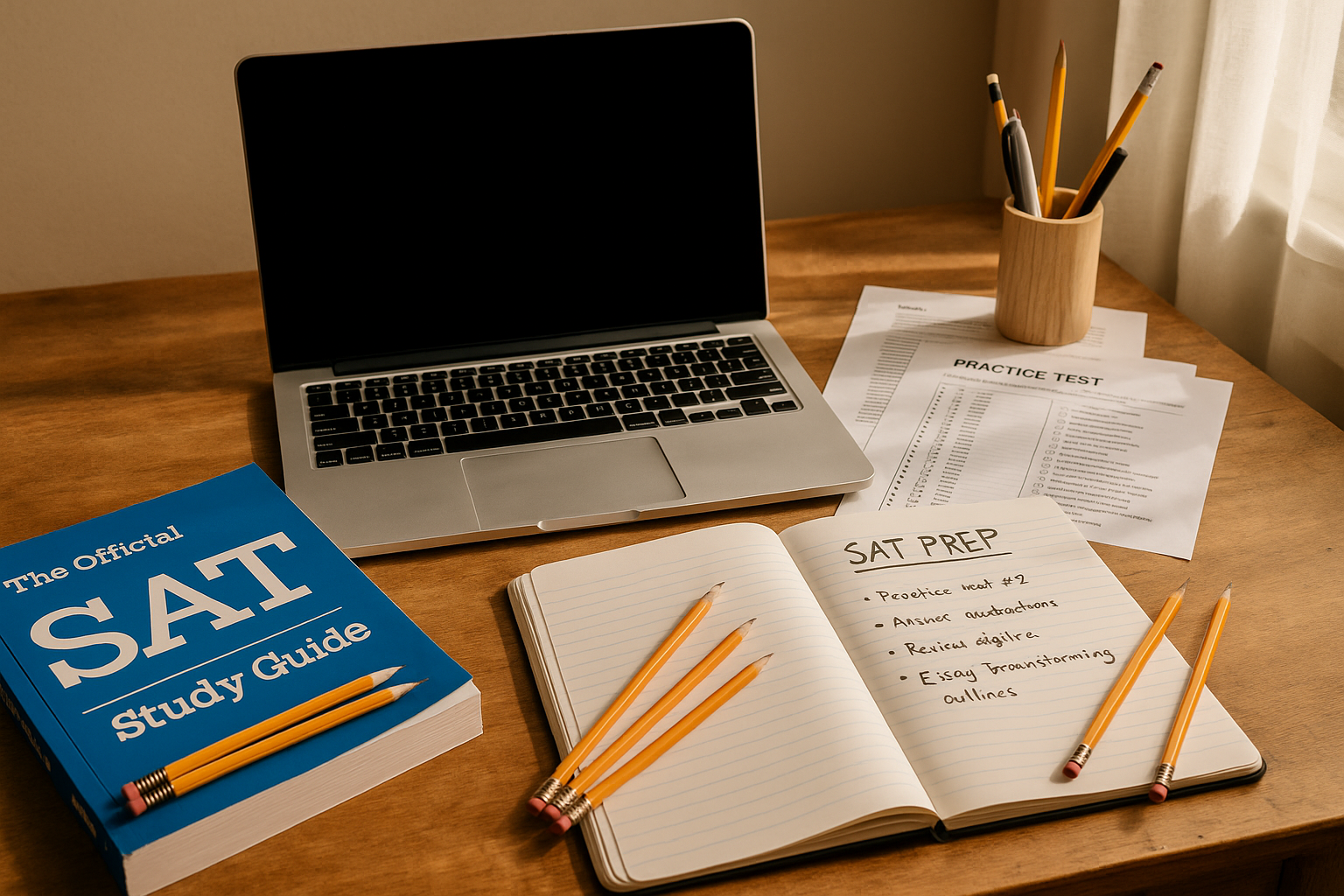
Students pour months into SAT prep, hoping for breakthrough scores—yet year after year, so many bright test-takers fall victim to the same SAT prep mistakes. What’s worse? These are often the simplest things to fix. Maybe that’s the good news: almost every misstep you might make, from underusing practice tests to being glued to your calculator, is something you can steer clear of with some targeted guidance.
Below, you’ll find more than a checklist. This is your no-nonsense, coach-tested playbook for sidestepping the most common mistakes and squeezing every last point out of your SAT journey. If you're aiming for an elite college or just want a score you’re genuinely proud of, the strategies here could be the difference between feeling burnt out and walking into the test center with total confidence.
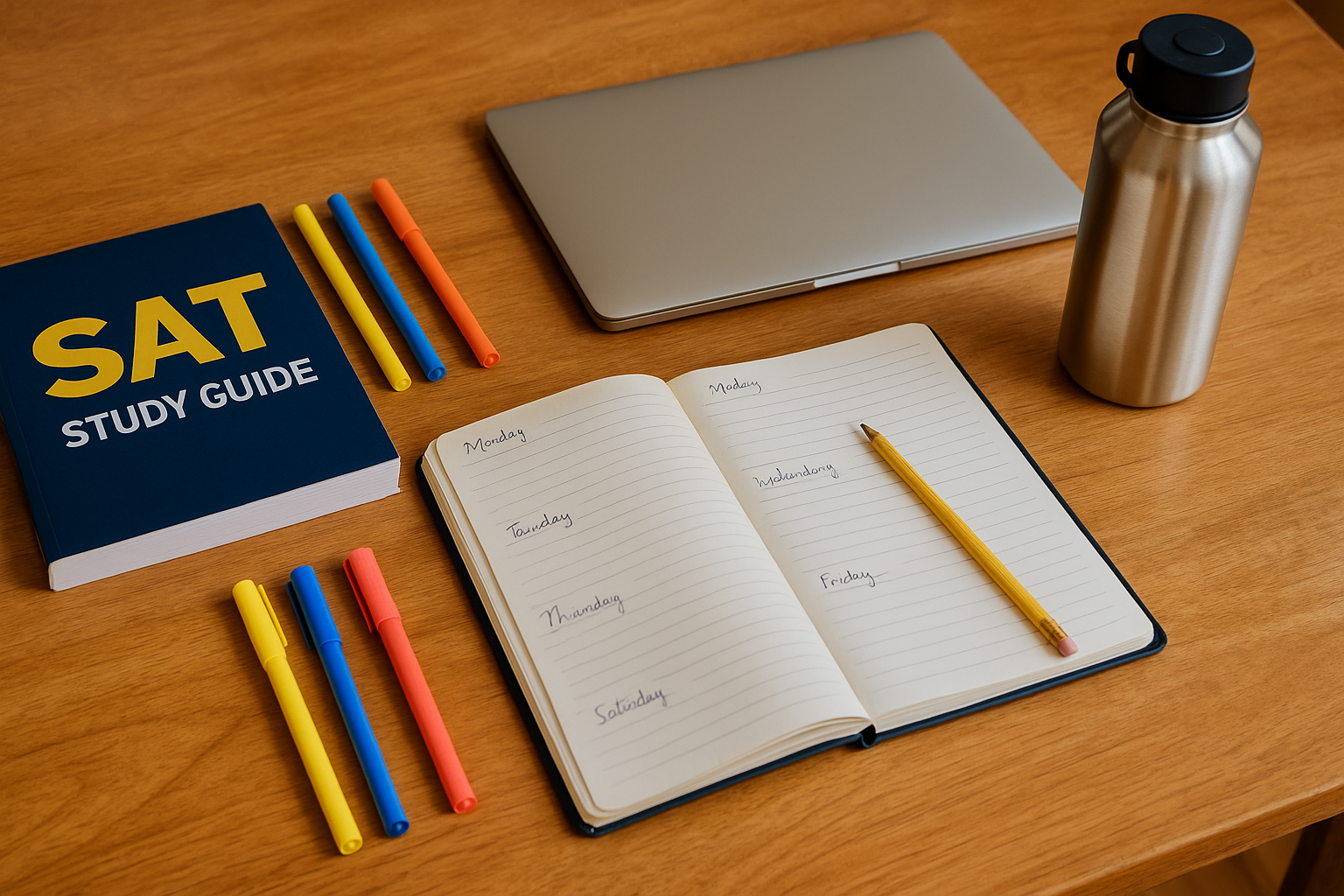
Let’s be real. The SAT can, and does, set the tempo for your entire college application. Forget luck—this is about showing up organized, focused, and ready for anything. It doesn’t matter if you already know the content cold. If you don’t dodge the classic SAT prep pitfalls? You’ll likely see your SAT scores slip—sometimes by enough to change your admissions future.
Think those tiny blunders don’t matter? Blink, and they snowball. Picture this: You skip reviewing the questions you missed on last week’s practice test, then forget to double-check your bubbling on the real thing, and suddenly, a couple of wrong answers per section have knocked you out of reach of your top colleges. It’s never just one stupid mistake or a single wrong value. It’s the domino effect—one overlooked habit snowballing into a stack of careless errors that tank your scaled scores on test day.
Ever notice how some students walk into that test center looking almost… relaxed? That’s not luck. It’s prep that breeds confidence. If you cut corners or speed through practice without feedback, expect nerves and second-guessing to spike on test day. But those who sweat through timed practice tests, review mistakes carefully, and master the test format? They’re the ones who stay positive and zeroed in when the pressure’s on.
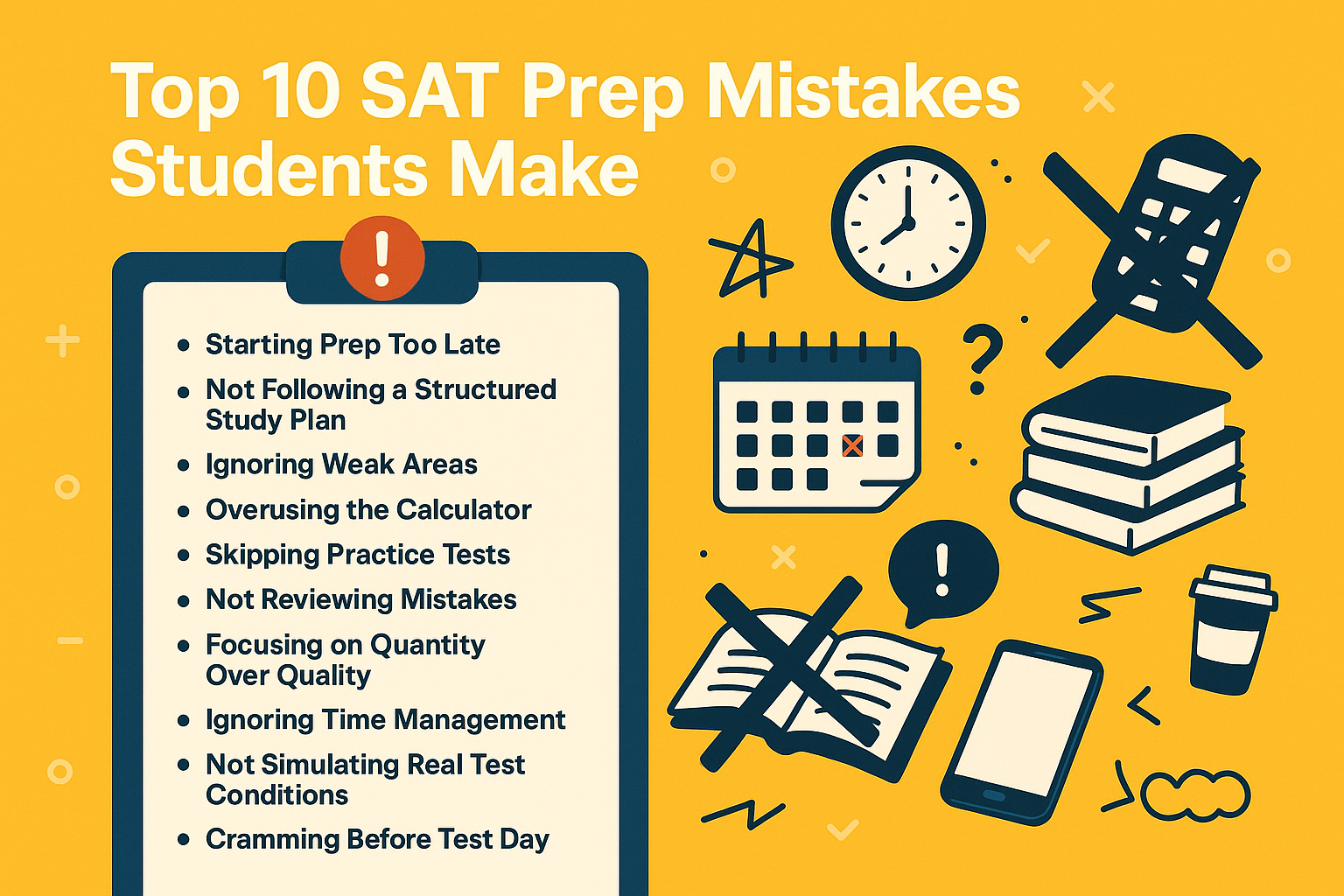
Getting ready for the SAT is kind of like training for a big race. Small mistakes early on might seem harmless, but they can add up and trip you up big time when it really counts. Knowing what to watch out for—like procrastinating or avoiding your weak spots—means you can set up a smarter, more confident prep plan that gets you closer to the score you’re aiming for.
We’ve all seen (or been) the last-minute crammer. But honest talk? Those final sprints rarely pay off. Treating the SAT like a pop quiz, not a marathon, is the fast track to feeling overwhelmed. You simply can’t cram a year’s worth of content and strategy into a handful of panicked late nights. Give yourself three to six months, minimum, before your official test date. That’s how you build up both the mental stamina and depth of knowledge you’ll need for those tricky reading sections and SAT math curveballs.
When you wing it, you spin your wheels. A real test prep pro builds out a calendar, splits up tough topics, and makes sure they’re not just overpreparing their favorites (like, say, the reading section) while ignoring the math section entirely. Start with the study plans on the College Board website or another reputable program. Your plan should give dedicated slots for weak areas, regular full-length practice tests, and spaced review—all tailored for your actual test date.
Everyone wants to feel good about their abilities, so students tend to practice their strengths first. The trouble? That’s rarely where the real improvement happens. Spot your vulnerable spots early—maybe it’s subject-verb agreement, inference questions, or certain math questions you just can’t seem to crack. Spend the same amount of time drilling those. Think of it as personal training for your test brain: sweat through what’s hardest, and every right answer after feels earned.
It’s tempting: The calculator is always there, ready to do the heavy lifting. But on the SAT, test makers want to know you understand the math, not just which buttons to punch. So, practice doing as many math section problems as possible by hand during your study sessions. Reserve the calculator for calculations where it truly saves time or prevents a careless error. That habit will help you move fast and smart, on the real test—no wasted ticks off the clock, no silly calculator-induced wrong answers.
This one’s a heartbreaker—nothing derails progress like skipping full, timed practice tests. The SAT isn’t just about knowledge; it’s endurance. Without those real simulations, you’ll have no idea how draining the entire test can be or how sharp your focus will be three hours in. Commit to at least eight full-length practice tests before your test date. Only then will pacing, time management, and the reality of answering questions under real pressure become second nature.
Here’s where the learning happens. Grinding through worksheets is easy; reflecting on why you made a mistake takes discipline. After every test or drill, take the time to ask: “Why did I miss this?” Was it because you misread a multiple-choice question, mixed up answer choices, or genuinely didn’t know the concept? Review mistakes ruthlessly—don’t just sigh and move on. Dig in until you get it, so next time, you walk straight to the correct answer.
You could do a thousand questions, but if you don’t actually process each miss and deepen your understanding, none of it will count when it matters. Swap repetitive practice for careful, focused review. It’s not about the heap of books on your desk—it’s about whether today’s study session made you any smarter, sharper, or faster. Always ask yourself: “Would this session help me avoid mistakes and score higher on test day?”
You have all the facts, but do you know the clock? Time pressure can sink even the best-prepared students. Practice every section under the real-time constraints. Mark questions that slow you down, and come back if you must. Mastering the process of elimination and pacing is just as valuable as nailing the right answer on the first try. Only then will you have enough leftover minutes to double-check and correct careless mistakes.
Prepping with your phone buzzing and snacks by your side? That’s miles from the reality of the test center. Every couple of weeks, recreate official conditions—quiet, timed, only the allowed materials: scratch paper, calculator, pencils. Mimic break times and work from a full-length test booklet or the digital test format you’ll see on test day. The closer your practice feels to the SAT, the easier it will be to stay calm and focused when the stakes are real.
We all want that last surge of knowledge, but all-nighters and stress-induced review before test day usually backfire. Sleep deprivation ramps up anxiety and worsens memory and focus—making you way more likely to make careless errors or blank on easy questions. In your last week, review notes lightly, trust your earlier work, and prioritize a good night's sleep for at least two nights before your test. Arrive feeling rested, not rattled.
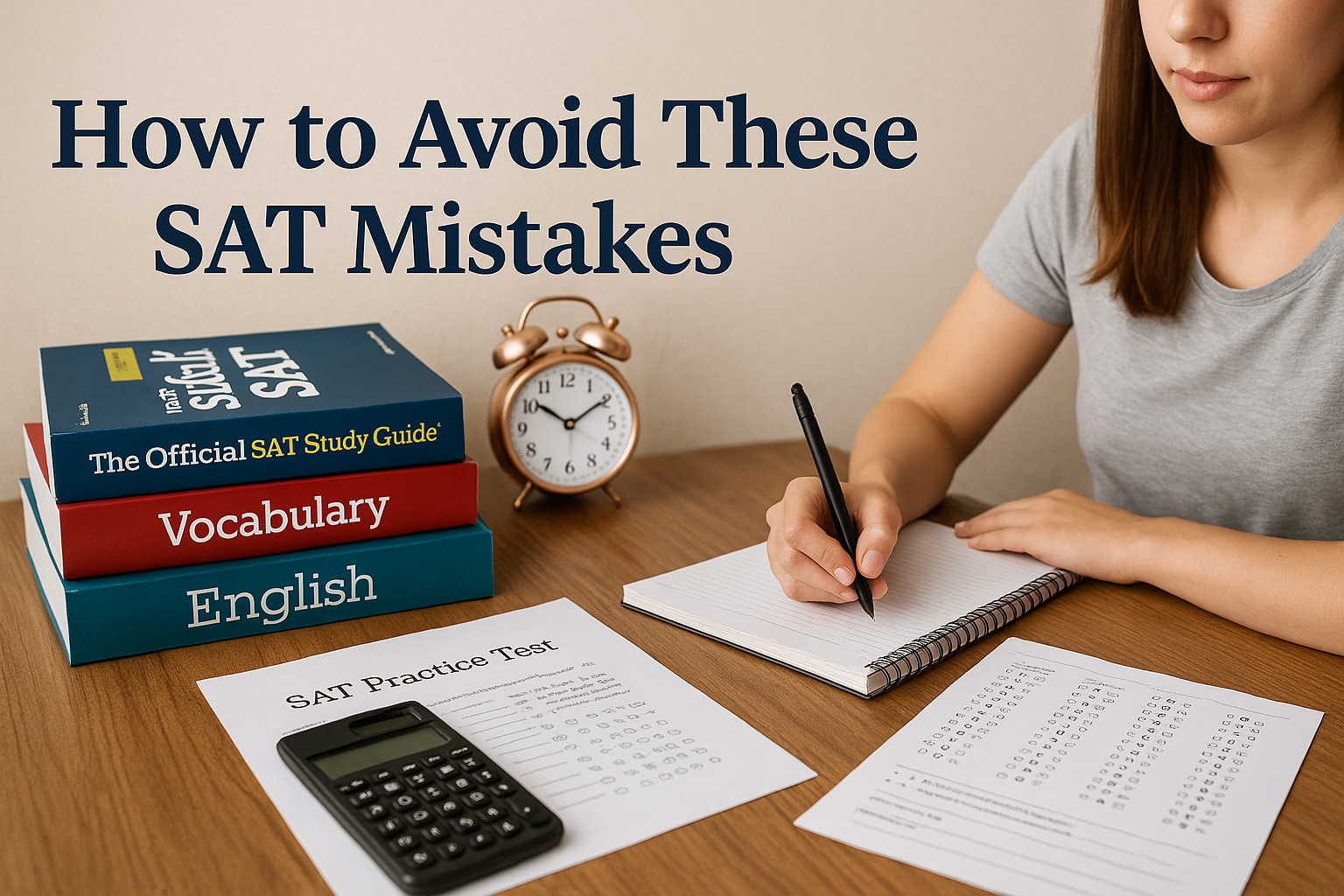
Avoiding common SAT mistakes isn’t about last-minute tricks—it’s about building smart habits over time. When you create a solid routine, focus your practice on the right areas, and test yourself under real conditions, you shift from guessing to knowing. In this section, we’ll break down practical steps to help you approach your preparation with confidence and purpose.
You’re not just prepping for knowledge; you’re prepping for habit. Make your SAT work a natural part of your week—study five or six days, 45 to 90 minutes at a time. Spread topics evenly, so every part of the test format gets its due. Consistency is the not-so-secret weapon that powers the best results, and lets other students wonder why you’re suddenly breezing through tough material.
Let data lead the way. Use diagnostic tests—from the College Board, Bluebook, or a reputable test prep program—to zero in on weak areas, from ACT Math to ACT Reading. Stuck somewhere? Seek out a tutor or mentor who can help break down stubborn concepts. Sometimes, all it takes is an outside perspective to get you past a plateau and up to your next SAT scores milestone.
This is your test day dress rehearsal. Every few weeks, simulate the exam start to finish, strictly timed, just as you’ll face it at the test center. Use official resources, track your scores, then review mistakes in detail. Each mock test is not only a check-in on your progress but a way to train your brain to stay strong, sharp, and adaptable for the entire test.
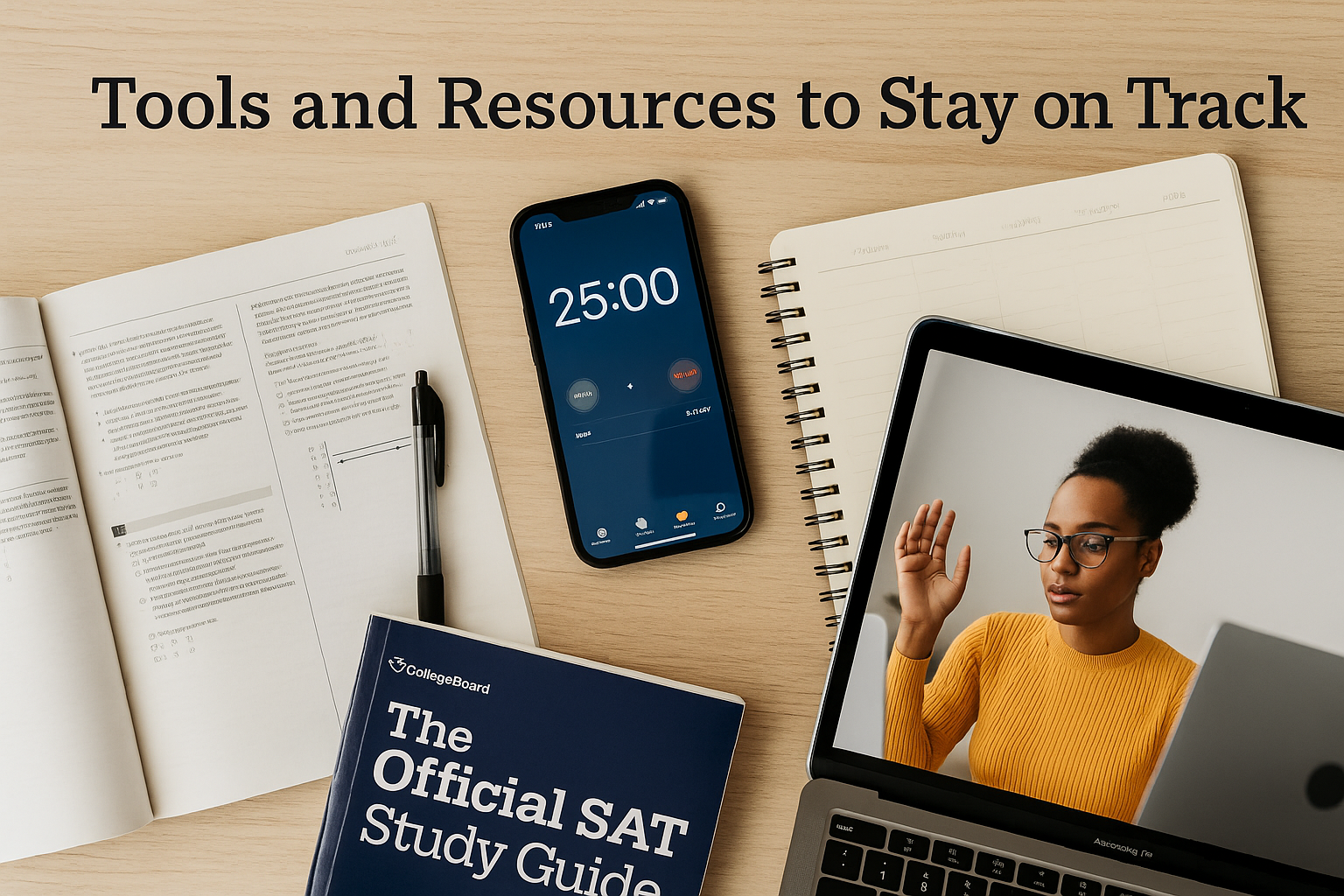
When it comes to SAT prep, having the right tools and resources can make all the difference between spinning your wheels and making real progress. Knowing where your weaknesses lie and tracking your growth helps you study smarter, not harder. Whether it’s diagnostic tests to spotlight challenges, apps to organize your time, or a mentor to keep you motivated, using these resources strategically keeps you on the path to your best SAT scores.
You can’t fix what you don’t see. The best way to identify where you stand—and what still needs work—is by using the official practice tests on the College Board website or other proven diagnostics. Pinpoint areas like the SAT math or language section gaps, then design your study plan around those exposures to ensure the most efficient progress.
Try Notion, Forest, or the Bluebook app to keep your study sessions organized, your goals visible, and your practice tests scored and tracked. Always, always set a timer when you’re practicing. Training yourself to finish under allotted time isn’t optional—it’s key to conquering every section and avoiding end-of-test panic.
A seasoned coach won’t just explain concepts—they’ll keep you honest, focused, and driven. If tackling the SAT solo feels overwhelming, look to a mentor for structure and feedback. They’ll keep you accountable for reviewing mistakes, fine-tuning your process of elimination strategies, and maintaining clarity about what to expect on the test.
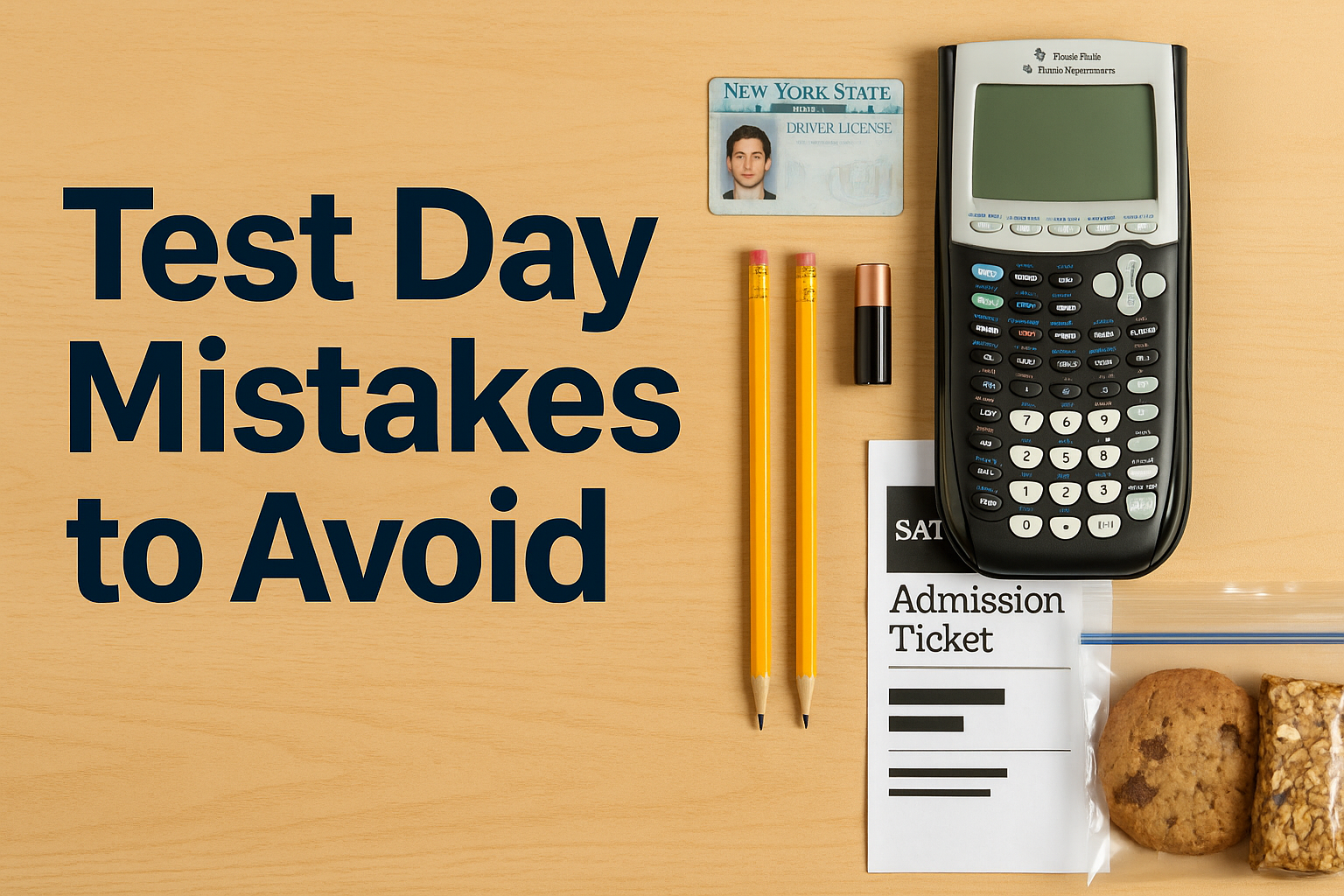
Don’t let something as simple as forgetting your essentials ruin all the hard work you’ve put in. The night before test day, pack your bag carefully with your printed admission ticket, a valid photo ID like your driver’s license or school ID, your calculator (make sure it has fresh batteries!), a couple of pencils, and any snacks you’re allowed to bring along. These might sound basic, but the test center is strict: without your photo ID and admission ticket, you won’t get in—no exceptions. Preparing these things ahead of time saves you from frantically searching last minute and helps you start the day calm and focused.
It’s smart to lay out everything the evening before, then double-check your bag before leaving. Include extra batteries for your calculator if possible, so you’re not caught off guard by a dead device. Remember, your calculator can be a lifesaver, but only if it’s ready to roll. When you walk into the test center fully prepared with all essentials, you free up your mind to concentrate solely on getting the best SAT scores possible.
Every section of the SAT has those tricky questions that seem to eat up all your time. If you find yourself stuck, don’t sweat it—circle that problem, take a breath, make a strategic guess by crossing off the weaker answer choices, and move on. The goal is to keep your momentum going so you don’t waste precious minutes fighting over a single multiple-choice question. Remember, it’s about collecting points steadily, not obsessing over perfection on one hard problem.
Here’s the thing: the SAT rewards you for the total number of correct answers, not for dwelling on every question. So getting stuck isn’t just a time problem—it’s a confidence killer. You want to save that energy for questions where you can shine. Practice this decision-making skill during your study sessions, so on test day it feels natural to move on quickly without second-guessing. Rushing or freezing on one question can snowball into a panic that leads to careless mistakes on the rest of the test.
Breaks can be lifesavers if you use them right—or hazards if you don’t. It’s tempting to text friends or replay wrong answers in your head during those few minutes, but that just wastes energy and focus. Instead, take that break to stretch your legs, drink some water, and reset your mindset. Treat it like a quick mental reboot to get sharper for the next round.
Also, chatting about test questions between sections sounds harmless, but it can throw your rhythm off. You might pick up doubts or distractions that weren’t there before. Use your break to breathe deeply and stay present. Keep an eye on the clock to make sure you don’t cut short your breaks or lose track of time. Managing your energy and focus with smart breaks can help you stay in the zone and avoid careless errors later on.
The most costly is underestimating how early and consistently you need to practice. Most students start too late, rely on untimed practice, and skip reviewing incorrect answers. If your only exposure to test pressure is on the real test day, time pressure and mental fatigue will do real damage to your answer accuracy.
Shoot for a minimum of six to eight, timed in full, to mimic the actual test. This experience lets you see your scoring trends, spot holes in content knowledge, and develop an essential pacing strategy to maximize every correct answer.
Definitely. Acknowledge them, change course, and double down on the right habits. Switch to regular, focused practice, review each practice test with surgical care, and get feedback on trouble spots. Major improvement—even a climb toward a perfect score—is still in reach, especially if you have four to eight weeks before your next test date.


